Digital Marketing Keya Hai | Logotak.in | Bangalore, India
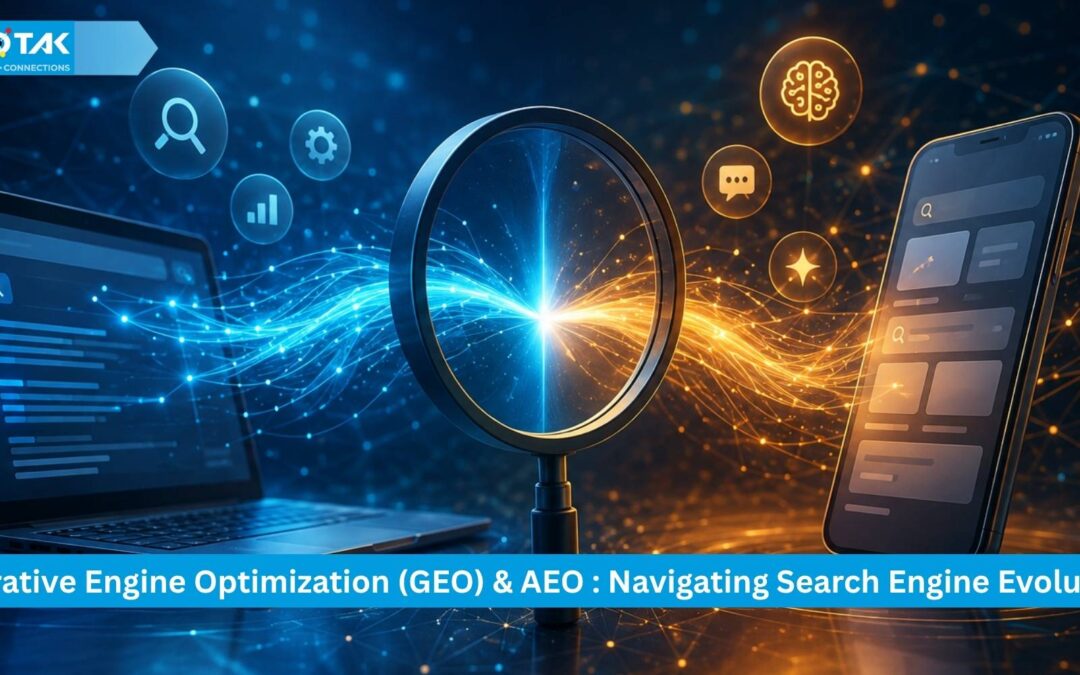
Search behaviour is undergoing its most radical transformation since the invention of the web search box. Users no longer rely exclusively on typing short queries into search engines and scrolling through pages of blue links. Instead, millions ask complex, conversational questions directly to platforms like ChatGPT, Google Gemini, and Perplexity. To maintain brand visibility in this new landscape, businesses must expand beyond traditional search engine optimisation and master Generative Engine Optimisation (GEO) and AEO (Answer Engine Optimisation).
While traditional SEO focuses on earning top ranking positions on search engine results pages, GEO and AEO pivot toward becoming the preferred cited source inside AI-generated summaries and conversational responses. Answer Engine Optimisation (AEO) structures content so AI agents can instantly extract clear, concise definitions for direct answer features. Meanwhile, Generative Engine Optimisation (GEO) focuses on establishing brand authority, providing original data, and formatting content so large language models synthesise your business into their recommendations.
Winning with Generative Engine Optimisation (GEO) and AEO requires a structural shift in how content is produced. AI answer engines prioritise structured headings, clear “answer-first” introductory paragraphs, bulleted lists, and verified first-party statistics. By combining deep technical schema markup with extensive third-party brand presence, your business ensures its products and insights are consistently cited when prospective buyers ask AI assistants for recommendations.
FAQs
What is Generative Engine Optimisation (GEO)? :- GEO is the practice of optimising digital content and brand authority so large language models (LLMs) cite and recommend your business within AI-generated responses.
How does Answer Engine Optimisation (AEO) differ from traditional SEO? Traditional SEO targets page rankings and click-throughs, while AEO structures content to provide concise, direct answers that AI engines and voice assistants extract immediately.
Why are original data and statistics crucial for GEO? AI models prioritise first-party research, unique survey data, and authoritative citations, making original facts significantly more likely to be cited in AI summaries.
What formatting techniques improve a site’s GEO performance? Use logical heading hierarchies (H2/H3), place concise direct answers immediately under question-based headings, and use scannable bullet points and structured tables.
How do GEO and AEO impact zero-click searches? As AI tools answer user questions directly on result screens without requiring a link click, GEO and AEO ensure your brand earns citation exposure and trust even during zero-click interactions.
About the Author: Soubhagya Mukhopadhyay
Soubhagya Mukhopadhyay is a Senior Brand Strategist and the creative visionary at Logotak.in. His career spans over two decades of identifying the “soul” of a brand and projecting it through visual storytelling.
Beginning his journey in the fast-paced world of outdoor advertising with Selvel Vantage, Soubhagya quickly rose to lead business operations in India’s most competitive markets, including Mumbai, Bangalore, and Kolkata. This cross-regional expertise gives him a unique “pan-India” perspective on consumer psychology and design trends.
As a multidisciplinary creator—encompassing fashion photography, communication design, and filmmaking—Soubhagya bridges the gap between traditional advertising and the digital landscape of 2026. He is a firm believer that Generative Engine Optimisation (GEO) begins with an authentic human story.
Known for his infectious energy and a “team-first” philosophy, Soubhagya views every project as a collaborative masterpiece. To him, the only thing better than a breakthrough brand idea is sharing it over a great meal.
-
Expertise: Brand Narrative, Visual Communication, Fashion Photography, Filmmaking, and Multi-market Advertising Strategy.
-
Years of Experience: 22+

How Long Does SEO Take to Work? Real Timeline from a Malaysian Law Firm
A 12-Month Organic SEO Journey for a Maritime Law Firm in Malaysia | By LogotakOne of the most frequent questions we encounter is: "How long does SEO take to show results?" For many business owners, the wait can feel indefinite. However, our recent 12-month journey...
Blog Post: Why Law Firms in Malaysia Cannot Run Google Ads?
A 12-Month Organic SEO Journey for a Maritime Law Firm in Malaysia | By LogotakUnder the strict Legal Publicity Rules 2001, and the recently updated 2026 Bar Council guidelines, advocates and solicitors are prohibited from "touting" or using sensationalist advertising...

What is Admiralty and Maritime Law? A Simple Guide for Business Owners
A 12-Month Organic SEO Journey for a Maritime Law Firm in Malaysia | By LogotakNavigating the waters of international trade requires more than just logistical expertise; it demands a firm grasp of the legal frameworks governing the seas. For business owners operating...
How Azhar Yong & Co. Reached Google Page 1 Without Running a Single Ad – SEO CASE STUDY
A 12-Month Organic SEO Journey for a Maritime Law Firm in Malaysia | By LogotakIntroduction: If You Cannot Run Ads, SEO Is Your Only Stronger Weapon In most industries, businesses have the luxury of choice — they can run Google Ads, Facebook campaigns, sponsored...