

Digital Marketing Keya Hai | Logotak.in | Bangalore, India
Digital marketing has shifted from intuition-based creative decisions to a data-backed science. Every click, impression, conversion, and repeat purchase generates valuable insights. However,
as consumer privacy laws tighten and third-party tracking cookies vanish, relying on modern Data Analytics and Privacy in Digital Marketing strategies is essential for driving predictable business growth.
Optimizing performance today requires building a robust first-party and zero-party data infrastructure. Brands can no longer rely on third-party tracking pixels to track user behavior across the web. Instead, modern analytics frameworks prioritize direct consent, unified customer profiles, and privacy-compliant tracking:
- First-Party & Zero-Party Data Collection: Gathering transactional data directly from your own properties and capturing user preferences through voluntary surveys, quizzes, and account registrations.
- Server-Side Tracking & Conversions API: Bypassing ad blockers and browser restrictions by routing event data directly from your server to marketing platforms, protecting user privacy while maintaining data accuracy.
- Privacy Compliance Frameworks: Ensuring full alignment with regulations like GDPR, CCPA, and evolving global privacy standards using clear consent management platforms (CMPs).
Mastering Data Analytics and Privacy in Digital Marketing balances performance optimization with consumer trust. By pairing privacy-compliant tracking with advanced multi-touch attribution, your business gains the actionable clarity needed to scale campaigns efficiently without compromising user data.
FAQs
Why is third-party data tracking disappearing in digital marketing?
Increasing government privacy regulations (such as GDPR and CCPA) alongside browser privacy updates have led to the deprecation of third-party tracking cookies.
What is the difference between first-party data and zero-party data?
First-party data is behavior data collected directly from user actions on your website, while zero-party data is information users intentionally and proactively share with your brand.
How does Server-Side Tracking (Conversions API) improve analytics?
Server-side tracking sends conversion data directly from your server to marketing platforms, bypassing client-side browser blocks and ad blockers while protecting user privacy.
What is a Consent Management Platform (CMP)?
A CMP is a software tool that manages user consent preferences for data tracking and cookies on websites, ensuring compliance with global privacy laws.
How can businesses measure campaign success without third-party cookies?
Brands rely on server-side tracking, first-party customer data platforms (CDPs), marketing mix modeling (MMM), and incrementality testing to evaluate marketing performance.
About the Author: Soubhagya Mukhopadhyay
Soubhagya Mukhopadhyay is a Senior Brand Strategist and the creative visionary at Logotak.in. His career spans over two decades of identifying the “soul” of a brand and projecting it through visual storytelling.
Beginning his journey in the fast-paced world of outdoor advertising with Selvel Vantage, Soubhagya quickly rose to lead business operations in India’s most competitive markets, including Mumbai, Bangalore, and Kolkata. This cross-regional expertise gives him a unique “pan-India” perspective on consumer psychology and design trends.
As a multidisciplinary creator—encompassing fashion photography, communication design, and filmmaking—Soubhagya bridges the gap between traditional advertising and the digital landscape of 2026. He is a firm believer that Generative Engine Optimisation (GEO) begins with an authentic human story.
Known for his infectious energy and a “team-first” philosophy, Soubhagya views every project as a collaborative masterpiece. To him, the only thing better than a breakthrough brand idea is sharing it over a great meal.
-
Expertise: Brand Narrative, Visual Communication, Fashion Photography, Filmmaking, and Multi-market Advertising Strategy.
-
Years of Experience: 22+


How Long Does SEO Take to Work? Real Timeline from a Malaysian Law Firm
A 12-Month Organic SEO Journey for a Maritime Law Firm in Malaysia | By LogotakOne of the most frequent questions we encounter is: "How long does SEO take to show results?" For many business owners, the wait can feel indefinite. However, our recent 12-month journey...
Blog Post: Why Law Firms in Malaysia Cannot Run Google Ads?
A 12-Month Organic SEO Journey for a Maritime Law Firm in Malaysia | By LogotakUnder the strict Legal Publicity Rules 2001, and the recently updated 2026 Bar Council guidelines, advocates and solicitors are prohibited from "touting" or using sensationalist advertising...

What is Admiralty and Maritime Law? A Simple Guide for Business Owners
A 12-Month Organic SEO Journey for a Maritime Law Firm in Malaysia | By LogotakNavigating the waters of international trade requires more than just logistical expertise; it demands a firm grasp of the legal frameworks governing the seas. For business owners operating...
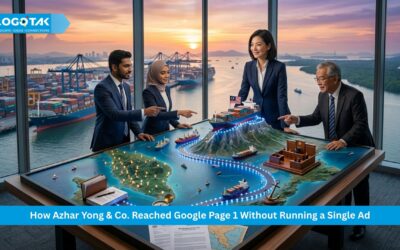
How Azhar Yong & Co. Reached Google Page 1 Without Running a Single Ad – SEO CASE STUDY
A 12-Month Organic SEO Journey for a Maritime Law Firm in Malaysia | By LogotakIntroduction: If You Cannot Run Ads, SEO Is Your Only Stronger Weapon In most industries, businesses have the luxury of choice — they can run Google Ads, Facebook campaigns, sponsored...