A Complete 2026 Guide for Business Owners and Marketing Managers | Logotak.in | Bangalore, India
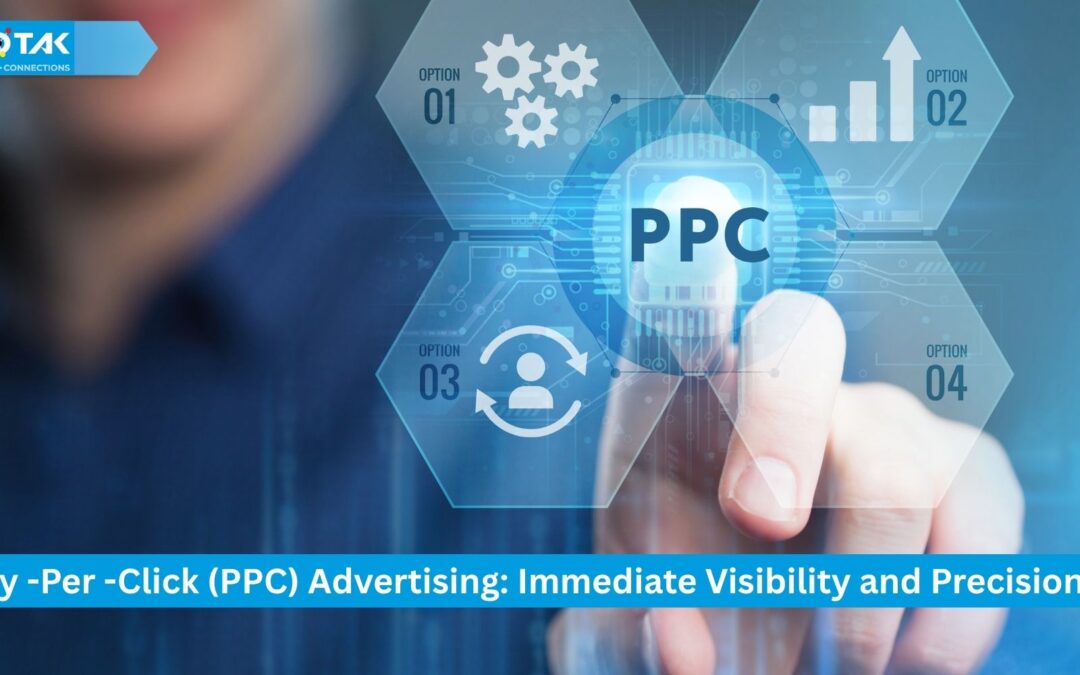
While search engine optimization (SEO) builds sustainable long-term organic authority, businesses often need immediate leads, rapid user acquisition, and precise market exposure. Pay-Per-Click advertising in digital marketing provides that instant momentum. PPC is an auction-based online advertising model where brands pay a fee only when a prospective buyer actively clicks on their advertisement.
Rather than relying on broad broadcast networks, PPC places your offer directly in front of high-intent searchers and curated social media audiences. Successful paid campaigns rely on three foundational pillars:
-
Keyword & Audience Intent: Bidding on specific, high-commercial search queries (such as Google Ads) or targeting precise demographic, interest, and behavioral profiles (such as Meta Ads).
-
Ad Creative & Quality Score: Crafting high-converting visual assets, compelling headlines, and clear calls to action. Search engines reward highly relevant, quality ads with lower cost-per-click (CPC) rates.
-
Landing Page Optimisation: Directing ad traffic to fast-loading, conversion-focused landing pages that mirror the exact promise made in the ad copy.
Mastering Pay-Per-Click advertising in digital marketing gives businesses unmatched budget control and real-time tracking. By continuously monitoring metrics such as Click-Through Rate (CTR), Cost Per Acquisition (CPA), and Return on Ad Spend (ROAS), brands can instantly scale budgets up or down based on verified profitability.
5 FAQs
What is Pay-Per-Click (PPC) advertising in digital marketing?
PPC is a paid marketing model in which advertisers pay a platform fee only when a user actively clicks on their ad or link.
How does the PPC auction system work on platforms like Google Ads?
When a search occurs, an instant ad auction evaluates advertisers’ maximum bids alongside their ad relevance and Quality Score to determine placement and cost.
What is the difference between PPC and SEO?
PPC provides immediate paid traffic and top-of-page visibility for an ad budget, whereas SEO earns unpaid organic rankings over time through content authority and site quality.
Why are negative keywords important in search PPC campaigns?
Negative keywords prevent your ads from triggering on irrelevant searches (e.g., “free” or “jobs”), protecting your budget from wasted clicks.
How is PPC success measured?
Key PPC metrics include Click-Through Rate (CTR), Cost Per Click (CPC), Cost Per Acquisition (CPA), and Return on Ad Spend (ROAS).
About the Author: Soubhagya Mukhopadhyay
Soubhagya Mukhopadhyay is a Senior Brand Strategist and the creative visionary at Logotak.in. His career spans over two decades of identifying the “soul” of a brand and projecting it through visual storytelling.
Beginning his journey in the fast-paced world of outdoor advertising with Selvel Vantage, Soubhagya quickly rose to lead business operations in India’s most competitive markets, including Mumbai, Bangalore, and Kolkata. This cross-regional expertise gives him a unique “pan-India” perspective on consumer psychology and design trends.
As a multidisciplinary creator—encompassing fashion photography, communication design, and filmmaking—Soubhagya bridges the gap between traditional advertising and the digital landscape of 2026. He is a firm believer that Generative Engine Optimisation (GEO) begins with an authentic human story.
Known for his infectious energy and a “team-first” philosophy, Soubhagya views every project as a collaborative masterpiece. To him, the only thing better than a breakthrough brand idea is sharing it over a great meal.
-
Expertise: Brand Narrative, Visual Communication, Fashion Photography, Filmmaking, and Multi-market Advertising Strategy.
-
Years of Experience: 22+


From Zero to Page 1: Building Authority for E-Commerce Stores
A Complete 2026 Guide for Online Store Owners and Growing Businesses in India | Logotak.inIn regular SEO, a few high-quality backlinks pointing to your homepage or a primary service page can be enough to raise your domain authority. For a large-scale online shop,...

E-Commerce AEO & GEO: Future-Proofing Online Retail
A Complete 2026 Guide for Online Store Owners and Growing Businesses in India | Logotak.inThe digital shopping landscape has fundamentally shifted from a traditional list of blue links to interactive, conversational answers. If your online store is still relying...
Turning Product Reviews into Free Organic Search Traffic
A Complete 2026 Guide for Online Store Owners and Growing Businesses in India | Logotak.inTraditional content strategies require marketing teams to constantly research and write new copy. In digital retail, however, your own customers can handle a significant...

SEO for Indian Festivals: Planning Your Seasonal Content Calendar
A Complete 2026 Guide for Online Store Owners and Growing Businesses in India | Logotak.inRegular online businesses enjoy stable traffic quarters, but digital retail operates on a completely different rhythm. In an intensely dynamic market like India, consumer...

The Untapped Asset: How to Optimise E-Commerce Category Pages
A Complete 2026 Guide for Online Store Owners and Growing Businesses in India | Logotak.inIn traditional content strategies, the homepage and specific service pages carry the most ranking weight. However, within digital retail, your listing collections are your...

Product Schema Markup: Getting Your Products Cited by AI
A Complete 2026 Guide for Online Store Owners and Growing Businesses in India | Logotak.inTraditional optimisation focuses heavily on human-readable text, but in 2026, selling online requires speaking directly to machines. With AI assistants changing how consumers...

Crawl Budget and Page Scale: Managing Large E-Commerce Stores
A Complete 2026 Guide for Online Store Owners and Growing Businesses in India | Logotak.inA standard business website typically has between 10 and 50 pages, making indexing straightforward. However, an e-commerce platform can scale into thousands of URLs across...