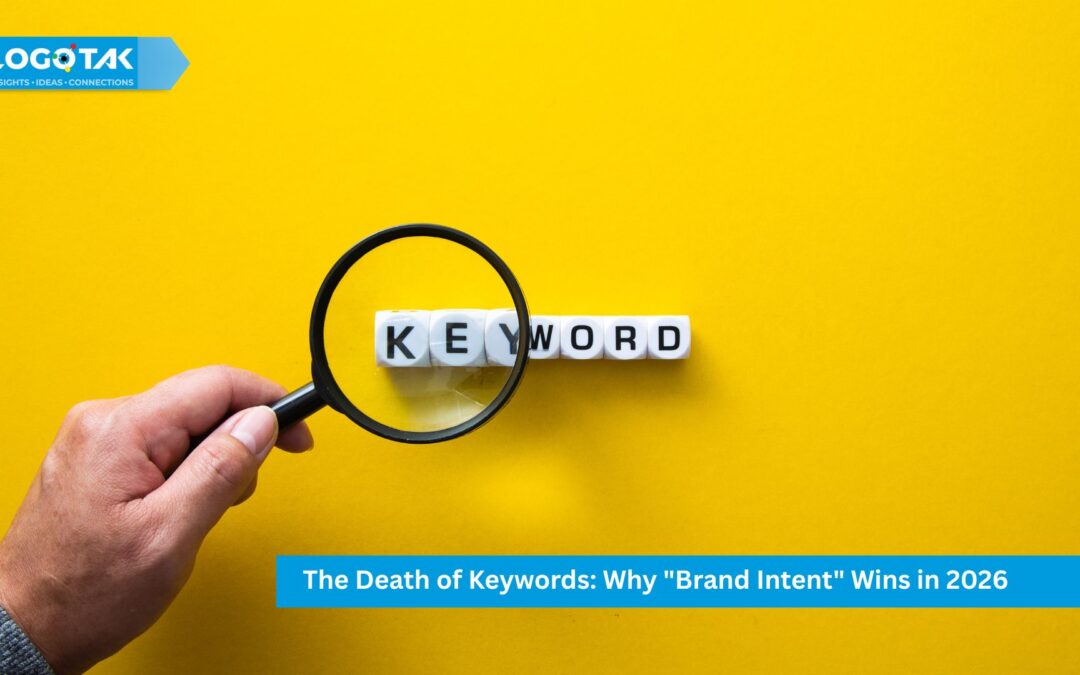
For decades, digital visibility was a game of “exact match” keywords. However, as we move through 2026, the traditional keyword-centric model has officially collapsed. AI search engines no longer simply look for strings of text; they interpret the sophisticated layers of purpose behind a query.
The Shift to Semantic Meaning
In the era of Generative Engine Optimisation (GEO), search has become conversational. Users are no longer typing fragmented phrases like “branding agency Bangalore.” Instead, they are asking complex questions: “Which agency can help my tech startup build a sustainable visual identity?” AI models, such as Gemini and Perplexity, synthesise these queries by looking for brands that demonstrate a clear alignment with the user’s specific goals. This is where Brand Intent Optimisation becomes your most powerful asset.
Earning the AI’s Recommendation
To win in this landscape, your content must move beyond repetitive phrasing. AI prioritises “Information Gain”—the unique value or expert perspective your brand adds to a topic. When your digital presence consistently solves specific problems rather than just targeting high-volume terms, search engines recognise your “Entity” as a trusted solution.
Authority Over Density
The goal is no longer to rank for a word, but to be the definitive answer for a need. By focusing on the “why” behind a search, you ensure that AI models don’t just find your website, but actively recommend your brand as the best possible match for the user’s intent. In 2026, the brands that speak to the heart of the problem are the ones that dominate the screen.
FAQs
What is the difference between keywords and brand intent?
Keywords are specific words users type, whereas brand intent refers to the underlying goal or problem a user is trying to solve. In 2026, AI search prioritises solving the intent over matching the exact words.
How do I optimise for brand intent in 2026?
Focus on creating “Answer-First” content that addresses specific user pain points. Use natural, conversational language and ensure your brand is consistently associated with expert solutions across the web.
Is keyword research still necessary?
Yes, but its role has changed. Keywords now act as “directional signals” to help you understand what topics your audience cares about, rather than being the final goal of your content.
How does AI interpret user intent?
AI uses Large Language Models (LLMs) to analyse the context, previous searches, and the complexity of a query to predict whether a user wants to learn, compare, or purchase.
What is "Information Gain" in AI search?
Information Gain is the unique, original insight a piece of content provides that cannot be found elsewhere. AI search engines reward brands that offer new data, personal experience, or proprietary frameworks.
About the Author: Soubhagya Mukhopadhyay
Soubhagya Mukhopadhyay is a Senior Brand Strategist and the creative visionary at Logotak.in. His career spans over two decades of identifying the “soul” of a brand and projecting it through visual storytelling.
Beginning his journey in the fast-paced world of outdoor advertising with Selvel Vantage, Soubhagya quickly rose to lead business operations in India’s most competitive markets, including Mumbai, Bangalore, and Kolkata. This cross-regional expertise gives him a unique “pan-India” perspective on consumer psychology and design trends.
As a multidisciplinary creator—encompassing fashion photography, communication design, and filmmaking—Soubhagya bridges the gap between traditional advertising and the digital landscape of 2026. He is a firm believer that Generative Engine Optimisation (GEO) begins with an authentic human story.
Known for his infectious energy and a “team-first” philosophy, Soubhagya views every project as a collaborative masterpiece. To him, the only thing better than a breakthrough brand idea is sharing it over a great meal.
-
Expertise: Brand Narrative, Visual Communication, Fashion Photography, Filmmaking, and Multi-market Advertising Strategy.
-
Years of Experience: 22+

How to Do Keyword Research for a Niche Business: A Step-by-Step Guide
A 12-Month Organic SEO Journey for a Maritime Law Firm in Malaysia | By LogotakThe secret to how to do keyword research for niche business growth lies in "Content Intelligence." Instead of looking for the most searched words, look for the most profitable ones. Start...
What are AEO and GEO? The New SEO Rules for 2026
A 12-Month Organic SEO Journey for a Maritime Law Firm in Malaysia | By LogotakThe digital landscape has shifted from "Search" to "Answer." While traditional SEO focused on driving traffic to a website, What is Answer Engine Optimisation (AEO) focuses on providing the...
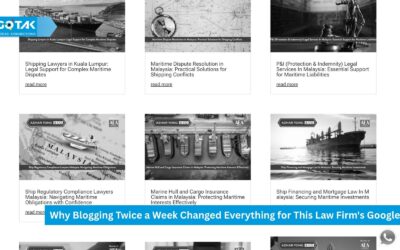
Why Blogging Twice a Week Changed Everything for This Law Firm’s Google Rankings
A 12-Month Organic SEO Journey for a Maritime Law Firm in Malaysia | By LogotakWhen clients ask, "Does blogging help SEO?", they are often looking for a shortcut. However, our 12-month campaign for Azhar Yong & Co. proved that the real power lies in consistency....
What is a Backlink and Why Does Your Business Website Need Them?
A 12-Month Organic SEO Journey for a Maritime Law Firm in Malaysia | By LogotakIn simple terms, a backlink is created when one website links to another. If a reputable industry portal or a legal directory links to your firm’s homepage, search engines view this as a...
How Long Does SEO Take to Work? Real Timeline from a Malaysian Law Firm
A 12-Month Organic SEO Journey for a Maritime Law Firm in Malaysia | By LogotakOne of the most frequent questions we encounter is: "How long does SEO take to show results?" For many business owners, the wait can feel indefinite. However, our recent 12-month journey...
Blog Post: Why Law Firms in Malaysia Cannot Run Google Ads?
A 12-Month Organic SEO Journey for a Maritime Law Firm in Malaysia | By LogotakUnder the strict Legal Publicity Rules 2001, and the recently updated 2026 Bar Council guidelines, advocates and solicitors are prohibited from "touting" or using sensationalist advertising...
Measuring AI Visibility: New Metrics Beyond “Click-Through Rate”
For decades, the success of a digital strategy was measured by the click. We tracked impressions, monitored click-through rates (CTR), and calculated conversions from organic traffic. However, in 2026, as search engines become answer engines, the "click" is no longer...